Corian® Solid Surface: The Ultimate Fusion of Design and Durability
Corian is a versatile, high-performance solid surface material renowned for its seamless integration and durability. Perfect for modern interiors, it blends aesthetic beauty with unmatched hygiene and long-lasting, renewable repairability.
Dupont Corian
Corian is a high-performance "solid surface" material that has become a staple in modern interior design. Originally invented by DuPont in 1967, it was the first material of its kind to offer a seamless, non-porous alternative to stone and laminate.
Composition & Manufacturing
Corian is a man-made material comprised of two primary ingredients:
-
Acrylic Polymer (PMMA): This provides the "body" and flexibility of the material.
-
Alumina Trihydrate (ATH): A natural mineral derived from bauxite ore that provides hardness and fire resistance.
-
Pigments: Added to create a vast array of colors and patterns.
Unlike natural stone (granite/marble), Corian is homogeneous. This means the color and pattern run all the way through the slab. If you scratch the surface, the material underneath is identical.
Key Features & Innovations
Corian is famous for several unique properties that make it a favorite for architects:
-
Seamless Joins: Using a color-matched adhesive, two pieces of Corian can be joined so tightly that the seam becomes invisible to the naked eye. This allows for massive, "monolithic" kitchen islands or wall panels.
-
Thermoforming: When heated, Corian becomes pliable. It can be bent into curves, waves, or organic shapes, making it popular for custom furniture and rounded reception desks.
-
Translucency: Certain light-colored Corian series (like the Atmosphere collection) are translucent. You can back-light them to create glowing walls or bars.
-
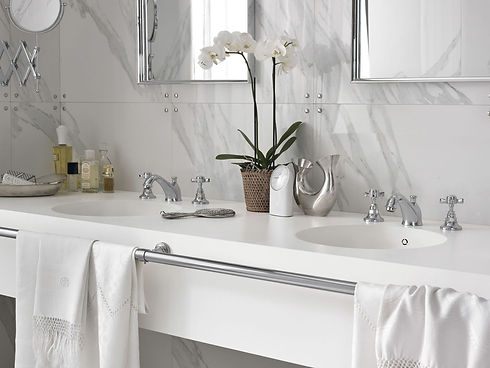
Integrated Sinks: You can "weld" a Corian sink directly into a Corian countertop, creating a single flowing surface with no gaps for dirt or mold to grow.
Sustainability & Health
In 2025, Corian achieved the Eurofins Indoor Air Comfort Gold certification, marking it as a "best-in-class" material for low VOC emissions.
-
Recycled Content: Many colors now contain 6% to 14% pre-consumer recycled material.
-
Longevity: Because it can be sanded down and "renewed" indefinitely, it is considered a long-lifecycle product compared to materials that must be replaced when damaged.